Material Notes
RMB upvalue,oil prices rise,related raw materials` higher affect Chinese Exporter and worldwide importer
RMB upvalue,oil prices rise,related raw materials` higher affect Chinese Exporter and worldwide importer

RMB upvalue,oil prices rise,related raw materials` higher affect Chinese Exporter and worldwide importer
In summary: 2026 is a "double squeeze" year for Chinese exporters—rising raw material costs first erode profit margins, then the appreciation of the RMB further reduces dollar-denominated revenues. While global importers gain short-term advantages, surging oil prices and freight rates push landed costs higher, ultimately leading to a worldwide trend of declining volumes, rising prices, and thinner profits.
- Assessing the magnitude of three key forces (as of October 31, 2026)
Variable | Change in 2026 |
|---|---|
RMB vs USD | Rose from around 7.0 at the beginning of the year to 6.666 by October 28, up about 4.6% year-to-date; compared to the 2025 low of 7.3–7.4, cumulative appreciation nears 8%–10% |
Crude Oil | Brent crude surged from around |
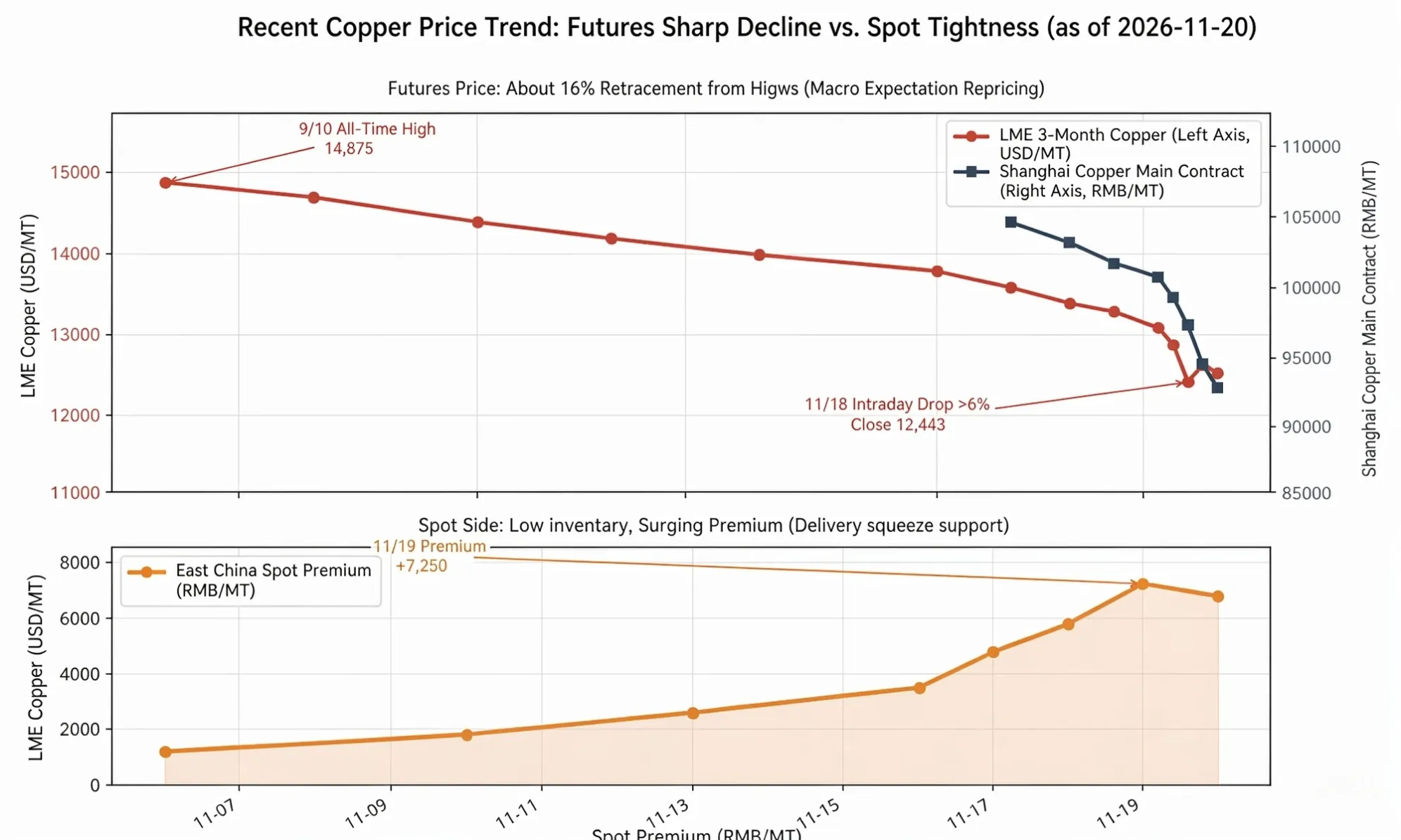
Copper & Aluminum | LME copper average price rose over 44% year-on-year in the first half; aluminum increased by about 37%; tin, tantalum, and indium rose 40%, 158%, and 60%, respectively |
Among these three forces, exchange rate and raw material increases both cut into profits, while shipping costs and inflation in importing countries raise selling prices—furthermore, their timing is completely out of sync.
- For Chinese Exporters: Simultaneous Pain on Both Cost and Revenue Sides
- Revenue Side: Every 0.1 RMB appreciation reduces 1 million order drops from 7 million to 6.7 million RMB—a direct loss of 300,000 RMB. The longer the payment cycle, the worse it gets: if quoted based on 7.0 with a margin, by the time payment arrives at 6.7, the deal may as well be unprofitable.
Real-world examples already appear in mid-year reports:
- CATL reported a net foreign exchange loss of 2.81 billion RMB in the first half
- Luxshare Precision: ~1.99 billion RMB; Fuyao Glass: ~800 million RMB
- Linglong Tires shifted from a 690 million RMB foreign exchange gain last year to a 340 million RMB loss—over 1 billion RMB difference in the P&L statement
- Cost Side: Copper and Aluminum Price Hikes Cannot Be Passed On Companies manufacturing home appliances, auto parts, motors, cables, or aluminum profiles typically face raw materials accounting for 40%–60% of total costs. With copper and aluminum prices rising 30%–40% this year, overseas customers resist even small price increases, forcing domestic firms to absorb the cost through automation and lean production.
The combined effect is multiplicative, not additive. Assume an original USD quote of 7, yielding a $3 profit (30% margin):
- RMB appreciates 5% → revenue in RMB drops by 5%
- Copper and aluminum costs rise 20% → cost side increases by 8%–12%
- Result: Profit margin could drop directly from 30% to below 15%; low-margin OEM orders might even turn negative
- Who Suffers Most? Who Benefits?
- Hardest hit: Textiles, apparel, furniture, daily necessities, low-end OEMs, and cross-border sellers (dollar-denominated revenue but RMB-based domestic costs)
- Partially insulated: Import-dependent processing companies (RMB appreciation limits the increase in local currency raw material costs), and businesses paying platform commissions, advertising, or overseas warehouse fees in USD
- Unexpected beneficiaries: Mining and smelting operations themselves, whose profits directly benefit from higher copper and aluminum prices
Another counterintuitive point: This round of RMB appreciation stems precisely from strong exports—September’s USD-denominated export volume rose 36.3% year-on-year, a record high, and the first three quarters saw a cumulative settlement surplus of 394.1 billion USD. Corporate bulk settlements have actually pushed the RMB stronger. In other words, the busier they are, the more USD they hold—and the greater the foreign exchange pressure becomes, creating a vicious cycle where “the busier you are, the deeper your losses.”
- For Global Importers: Short-Term Gains, Medium-Term Higher Costs
Short-term benefits (through most of 2026)
- The same $1 million worth of Chinese goods is now cheaper when converted into local currencies: the RMB has also strengthened against a basket of currencies, with the CFETS index rising from around 95.6 in mid-2025 to over 102.
- To protect orders, Chinese exporters are hesitant to raise prices, meaning most of the exchange rate benefits go to importers rather than staying in domestic companies' pockets.
Medium-term pressures (now emerging):
- CIF prices have actually increased: Middle East–Asia tanker freight rates surged to $37 per barrel at one point; Hormuz Strait traffic fluctuates repeatedly; container and bulk carrier detours and insurance premiums are all rising. For distant importers (Europe, Americas), shipping costs have eaten up the savings from favorable exchange rates.
- Chinese suppliers are starting to pick their orders: low-margin deals result in losses for every order taken; exporters either cut product lines or slightly increase prices—“testing price hikes dollar by dollar” has become common practice.
- Resurgent inflation is dampening demand: Eurozone inflation hit 3.8% in September, with energy up 18.8% year-on-year; the World Bank has downgraded its 2026 global growth forecast to 2.5%, while raising inflation expectations from 3.3% to 4.0%. Importers now face dual pressure: “goods getting more expensive + downstream sales stagnating.”
By region:
- U.S. importers: The strong dollar makes buying Chinese goods the most cost-effective option, but new tariff frameworks and rules requiring compliance within 150 days have raised regulatory costs.
- Europe, Japan, South Korea: Local currencies haven’t strengthened in line with the RMB, so actual procurement costs have risen. Combined with high diesel and natural gas prices, willingness to replenish inventories has declined.
- Southeast Asia, Middle East, Latin America importers: Local currencies are generally weak, largely offsetting exchange rate gains. With higher price sensitivity, they are accelerating shifts toward local suppliers or alternative sources like Vietnam and India.
Four key insights and response strategies:
For exporters:
- Don't bet on one-sided appreciation. The central bank’s stance is “stable with a slight bias toward strength and two-way fluctuations.” One-year forward swap points are already about 3% negative, locking in an exchange rate of only around 6.47.
- Adjust pricing by shortening payment terms, adding currency clauses, or switching to RMB settlement (currently about 30% of cross-border trade uses RMB, another 30% hedges exchange risk—this 60% is largely insulated from exchange rate volatility).
- Consider futures hedging for copper and aluminum exposure, making “locking raw material prices at order time” a standard practice.
For importers:
- Now is not the time to push for lower prices; instead, lock in long-term contracts and shipping slots. If oil prices drop due to Middle East ceasefire or cooling U.S. midterm elections, geopolitical premiums could quickly fade (Citigroup forecasts Brent at $70 in Q4). At that point, Chinese suppliers will likely reinitiate price cuts to win back business.
Macro-level perspective: The biggest risk of this combination isn’t which company loses money, but global stagflationary transmission—energy and metal prices pushing up production costs, while exchange rates limit export countries’ ability to cut prices, keeping importers’ inflation high and demand sluggish. If conflicts escalate during winter heating season, this chain will tighten even further.