Oct 6, 2026
How does the El Niño phenomenon affect the manufacturing direction of the home appliance industry and its impact on the market?
How does the El Niño phenomenon affect the manufacturing direction of the home appliance industry and its impact on the market?
How does the El Niño phenomenon affect the manufacturing direction of the home appliance industry and its impact on the market?
The impact of El Niño on the home appliance manufacturing industry and market has evolved from a simple "hot weather boosts air conditioner sales" pattern to structural, regional, and global effects. Starting in May 2026, the equatorial central-eastern Pacific entered an El Niño state, potentially triggering a moderate-to-strong event during summer and autumn, extending into winter. Its typical impact on China includes "floods in the south and drought in the north," with humid heat in the south and dry heat in the north during summer, and warmer-than-normal winters.
Impact on Manufacturing
Dimension | Specific Changes | Typical Manifestations |
|---|---|---|
Product Structure | Shift from single cooling to integrated solutions combining cooling, dehumidification, fresh air circulation, and energy efficiency | Increased demand for fresh-air air conditioners, dehumidifying air conditioners, dehumidifiers, air circulators, wash-dry combos, and ice-making refrigerators |
Production Scheduling | Disrupted production and sales cycles; manufacturers adopt more rational inventory planning | In May 2026, air conditioner sales volume and revenue declined year-on-year; total production schedule in June dropped 18.9% YoY; domestic sales production in July fell 15.6% YoY |
Capacity Flexibility | Leading companies retain flexible capacity to adjust output quickly as needed | Once high-temperature forecasts become clear, production can be advanced for dehumidifiers, portable air conditioners, fans, and other categories |
Export Orientation | Rising demand in hot regions such as Europe, Southeast Asia, and the Middle East | Total exports of cooling appliances including air conditioners, fans, and refrigerators reached 107.91 billion yuan in the first half of 2026 |
Supply Chain | Increased demand for refrigerants, compressors, and heat dissipation components | Extended air conditioning usage due to prolonged heat raises marginal demand for refrigerants, magnetic levitation compressors, and chillers |
Service Chain | Greater pressure on installation, cleaning, and delivery services | During peak heat periods, some areas face days-long wait times for AC installations, making service capacity a bottleneck |
Impact on Market Demand
Domestic sales did not see broad-based growth but instead showed significant divergence.
Although the 2026 summer heat arrived early and lasted longer, the overall white goods market in China did not experience a full-scale surge. In May, air conditioner sales across all channels declined by 1% year-on-year, while revenue dropped 12%. Retail sales of air conditioners and refrigerators during the 618 shopping festival were generally under pressure. This was due to saturated appliance ownership, weak real estate-related demand, prior overuse of appliance replacement policies, and low consumer willingness to purchase large-ticket items—factors that short-term heatwaves could not fully offset.
Categories suited to hot and humid conditions saw stronger growth.
Humid conditions in southern China drove increased demand for dehumidifiers, air purifiers, air circulators, wash-dry combos, and fresh-air air conditioners. The national household dehumidifier market is expected to reach 1.8–1.9 billion yuan in 2026, up about 17% year-on-year. In Guangdong, Guangxi, and Fujian, sales of dehumidifiers, air purifiers, and air circulators rose 69%, 23%, and 297% month-on-month, respectively.
Demand for functional upgrades intensified.
High temperatures and humidity not only encouraged purchases of air conditioners but also drove demand for more suitable models. Energy efficiency, inverter technology, fresh air circulation, dehumidification, antibacterial features, windless operation, and smart temperature-humidity integration became key selling points.
Exports demonstrated greater resilience than domestic sales.
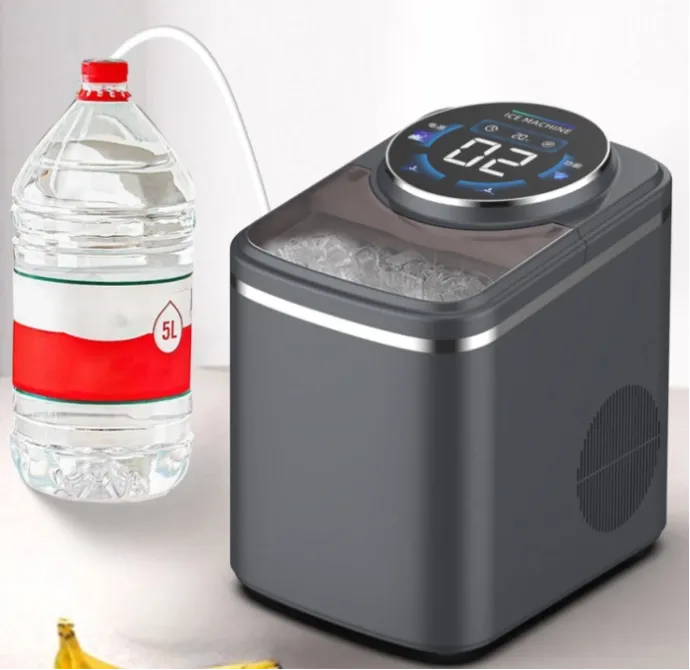
El Niño combined with extreme heat in Europe and Southeast Asia boosted exports of portable air conditioners, handheld fans, ice makers, and refrigerators. With historically low penetration rates for air conditioners in Europe, building restrictions and high installation costs limit traditional split-unit installations, creating opportunities for hole-free, outdoor-unit-free, and portable split units.
Price competition persists, and corporate profits may not improve proportionally.
While high temperatures may drive sales volume, they could also intensify price wars. During the 2026 pre-618 buildup period, online air conditioner retail volume increased 11.47% year-on-year, but average prices fell 12.47%, indicating that part of the growth came from price reductions, putting pressure on profit margins.
Implications for Companies and Investors
Look at weather in the short term, but focus on structure in the medium term. El Niño amplifies demand, but it does not automatically resolve issues related to inventory, price competition, or consumer sentiment.
Manufacturing focus is shifting toward flexible production scheduling and structural optimization. Simply expanding output carries high risks; instead, aligning with niche categories such as dehumidifiers, fresh air systems, portable cooling units, and handheld fans is more advisable.
Export opportunities are concentrated in regions with high temperatures and low market penetration, including Europe, Southeast Asia, and the Middle East. Portable air conditioners, portable cooling solutions, and no-installation options hold distinct advantages.
Service chain capabilities have become increasingly important. During peak heat seasons, installation, cleaning, delivery, and after-sales response speed directly impact sales performance and brand reputation.
Overall, El Niño presents a "structurally favorable but globally uncertain" outlook for the home appliance industry. It is more likely to drive growth in specific segments—such as dehumidification, portable cooling, energy-efficient ventilation, portable cooling appliances, and export orders—rather than trigger unconditional price increases across all appliance categories.